Our approach to viticulture
Our approach to viticulture Our approach to viticulture

Our approach to viticulture

Grape growing

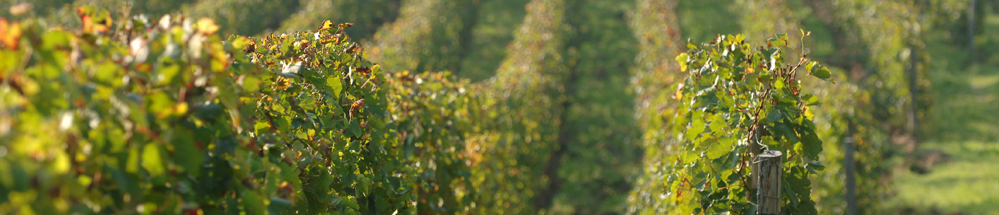
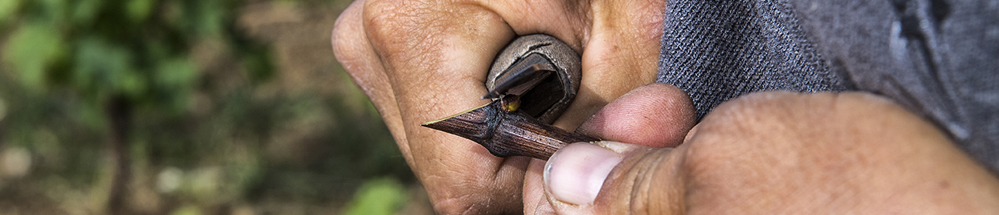
We strongly feel that a vineyard should be managed in harmony with the ecosystem. In fact, we do our best to interfere with nature as little as possible by relying on strictly preventive phytosanitary protection. By closely observing the weather, the soil, the vines, and how the growing season is developing, we are able to keep vineyard operations to a minimum. If called upon to spray the vines, we use only products with very low toxicity. Furthermore, these are used in very low doses and are not absorbed by the vines. The ultimate aim is to foster an autonomous natural equilibrium in the vineyard, helping the vines to thrive on their own terms rather than artificially imposed ones.

Find out more

Winemaking

All cellar practices at the Comtes von Neipperg estates are quality-oriented. Special care is taken during maceration so that extraction is as gentle and controlled as possible. The major challenge is to adapt extraction to the specific characteristics of each vintage. Both alcoholic fermentation and maceration take place in oak vats in order to develop maximum colour and flavour. Each vat is considered a separate entity and treated accordingly. The cap is punched down (pigeage) very slowly to avoid treating the grapes roughly. The philosophy behind all stages of winemaking is to make the most of the fruit and express the best from each vintage.

Find out more

Ageing

Ageing is a vital part of winemaking, and the Comtes von Neipperg estates have adopted an original approach here as well. The wines are aged on the lees, in barrel, to bring out their intrinsic qualities rather than altering them. Once in barrel, they are left alone as much as possible. Wines are not necessarily fined or filtered and, when this is done, it is with a very light hand. Such practices give the wine increased aromatic complexity and structure, and more faithfully reflect its true nature. Barrel ageing lasts from 12 to 24 months depending on the estate and the vintage.

Find out more

A meeting de two wine lovers

Both major figures in the world of wine, Stephan von Neipperg and Stéphane Derenoncourt come from very different backgrounds. They have joined forces in what has become a very fruitful collaboration.

« From 1988 to 1995, Stephan von Neipperg did a fabulous job at Canon-La-Gaffelière, especially with regard to reducing yields. He was also the first person to introduce green harvesting at his family's various estates. Thanks to my experience, I was able to help Stephan von Neipperg make even further progress in the interest of quality, in keeping with an overall view of the terroir. I suggested taking an in-depth new look at each vineyard plot, as well as limiting yields even further, doing away with chemical sprays and fertilisers, going back to ploughing the soil, etc. All these measures were in the interest of natural viticulture rather than any sort of marketing gimmick! The aim was to enhance the vines' immunity in order to produce naturally strong and tasty wine. I was fortunate to be jointly in charge of charge of achieving this goal. Conclusive experiments at La Mondotte were then applied to the other estates. Our approach was much criticised at the time, but has since been much imitated... Stephan von Neipperg has well and truly turned things around. However, despite all the changes, each of his wines is different thanks to viticultural practices adapted to each terroir. While the von Neipperg coat of arms on the label is a guarantee of quality, wine from each vineyard unquestionably reflects its own specific terroir. »

Stéphane Derenoncourt,
wine consultant since 1999, including at all the Comtes von Neipperg estates

Legal notice  |  Site map  |  Credits  |  Design and hosting Impec Toonga